The Sealand Model: How Threadworks Grew a Technical Range One Product at a Time
Threadworks

Expanding a product line is a fragile moment for any brand. Our work with Sealand Gear is not a one off project, it is a partnership that has been running since 2023, with new developments every year.

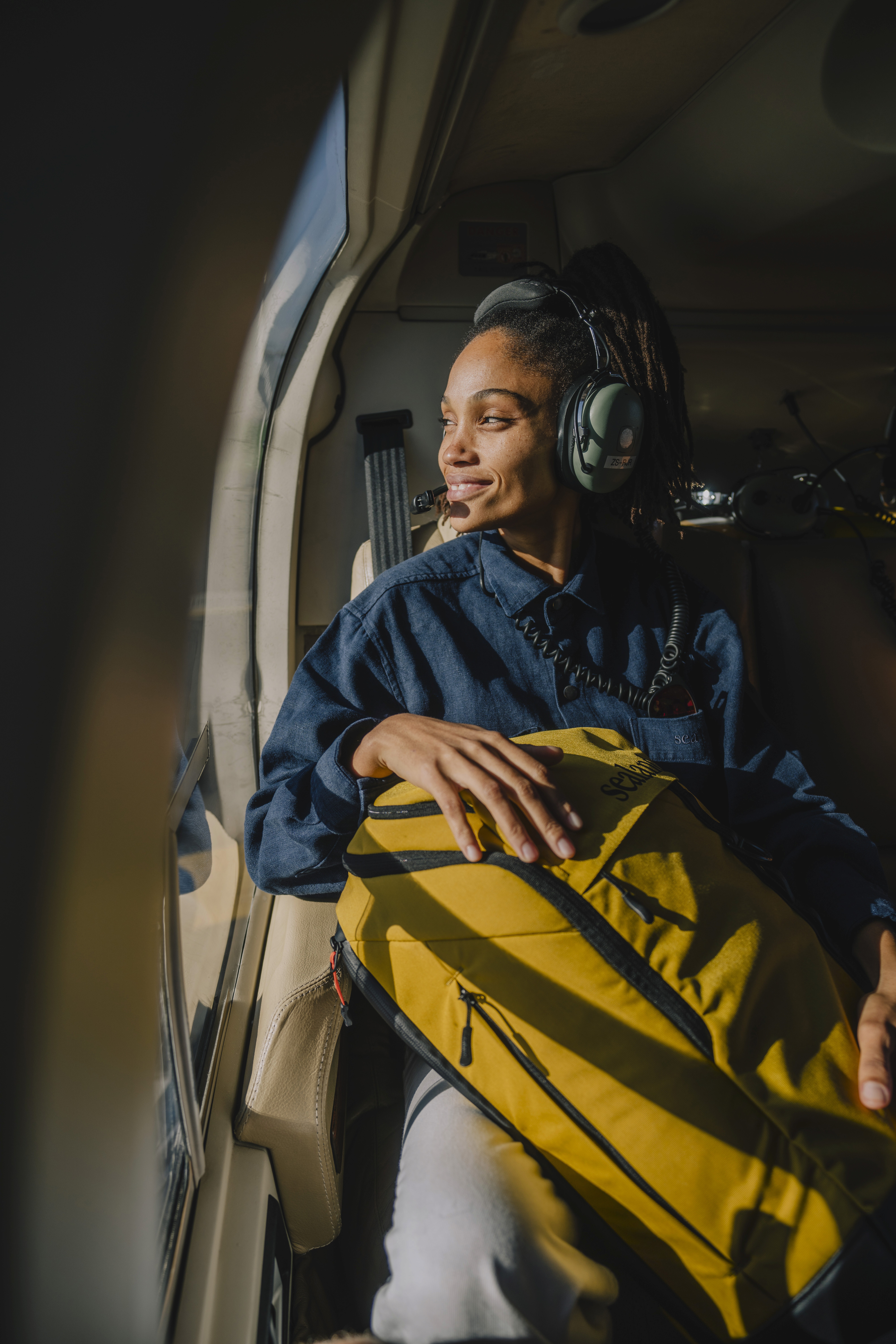
Sealand Gear is a South African brand making bags, apparel and accessories out of waste and responsibly sourced materials, built for the mountains and the ocean as much as for the everyday. In 2023 they came to Threadworks with a clear intention: make the line more technical, without cutting back on what they stand for, which is building things that last, responsibly. They wanted a bag made for the city, but aligned with their technical DNA.


We started with one product, a bag made for city commuters, quickly followed by a tech organizer. That first step is usually where founders hit a wall. Turning a hero product into a full ecosystem in one go tends to produce fragmented designs and a bloated manufacturing pipeline. We would rather add to a range slowly and keep improving the existing products along the way, so every new piece feels like it always belonged there.

Where a soft goods project starts, and it is not the sketch

Step one is never sketching. It is making sure we read the brand DNA and the brief the same way the client does, especially on a first collaboration. What they picture in their head has to match what we picture in ours, with our own interpretation added on top of that rather than in place of it.

From moodboard to silhouette

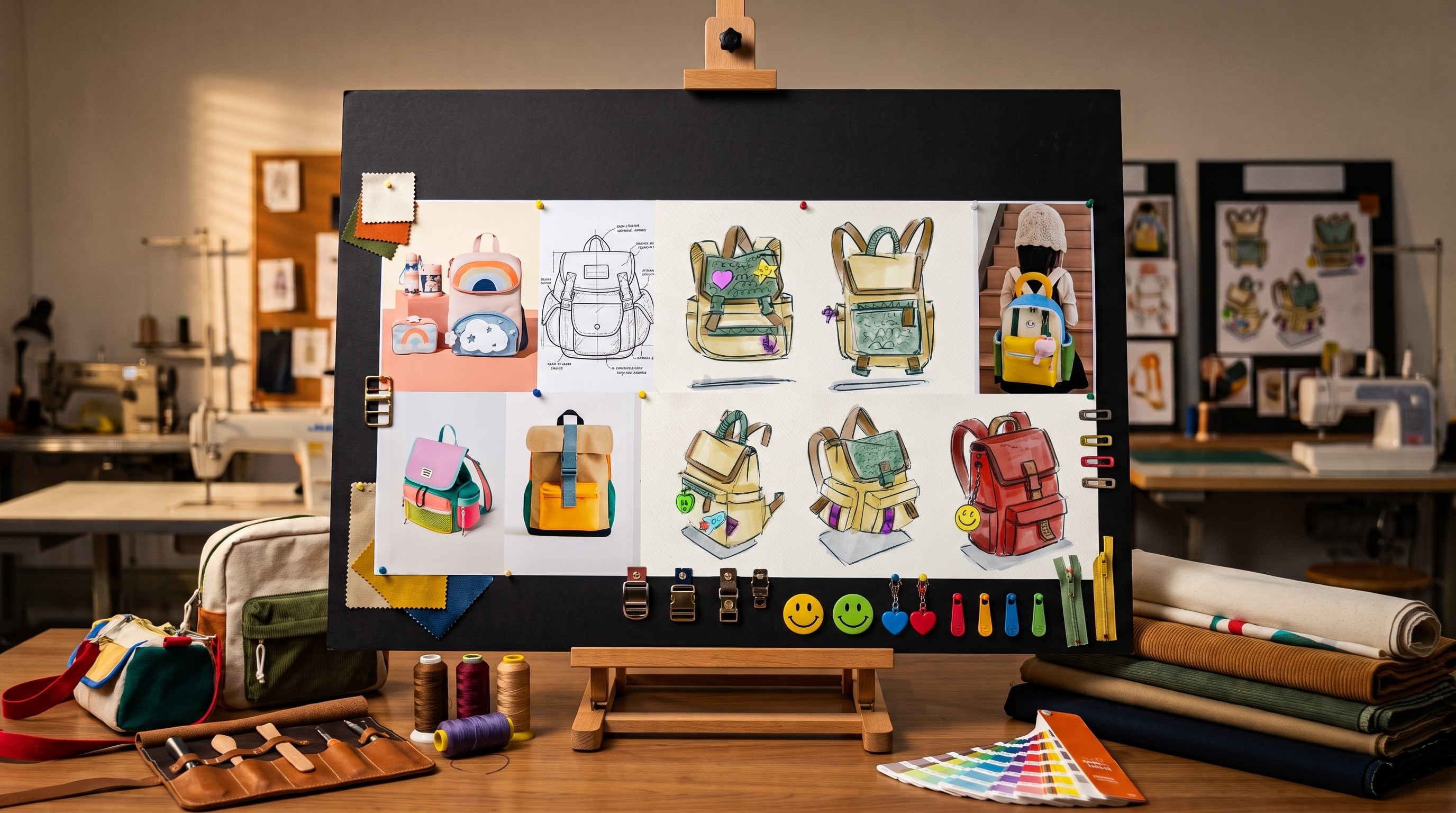
We go back and forth between moodboards, trims and details boards, and sketches, refining and deepening the connection with each meeting. We start broad so we are not missing any option, then funnel down into what the bag will actually become. Quick sketches carry most of that work, and we bring in 3D only when a detail really needs it.


Sealand already had strong elements to build on, like the metal D ring and the slanted face, both part of their existing soft goods DNA. Keeping them was an easy call. We also had to make full use of the production site's capacity, which is what justified developing a bag so far from their native South Africa.

The details on the commuter bag

Most of our time went into the details and the organisation. The exercise was to make every component feel qualitative without bumping the retail price, which means studying each one instead of reaching for the expensive version by default.


The logo mark appears in several places, the back padding among them, for quiet brand recognition rather than loud branding.


Organisation compartments and stretch mesh pockets, laid out around what commuters actually carry and how often they reach for it.


Functions studied one by one, so the bag works the way you use it and not the way a spec sheet describes it.

How we picked the materials, with quantities in mind

Sourcing is where ranges usually lose their cohesion, and it is also where volume constraints bite. The Sealand commuter bag had to work with real order quantities in mind, so we went with proven fabrics: recycled X-Pac and Cordura, plus a strong 420D ripstop for the boot.

Same logic on the hardware. We chose matte aluminium, for the weight and for not putting more plastic into the world. And of course we used Sealand's key liner, their repurposed polytwill made from old advertising banners, which ties the bag straight back to the brand.

What goes into a tech pack and a factory handoff

A cohesive product needs clean documentation. We package the technical drawings, renders and hardware references into complete tech packs so our manufacturing partners get clear instructions they can work from without guessing. We then manage the factory coordination from concept through to final sample, which is how the design stays manufacturable and lands inside the quality and budget targets.

Where the range is now

The Commuter Pro and the tech pouch turned into market hits, so Sealand decided to keep going. We took that newly found DNA off the city with a slim version of the commuter bag, a travel backpack and two rollers.

In 2025 we partnered with ZSA, the ergonomic keyboard company, on a special edition made to carry their gear. They build electronics, we build soft goods, but the values line up: products meant to last, supported with spare parts and repairs instead of replacements. In 2026 we expanded again with special editions of the commuter bag and the tech pouch, releasing soon. That expansion deserves its own article, so we will get into it next time.

The short version, if you are scaling your own range

Start with one product. Get the brief and the brand DNA right before anyone sketches. Reuse the elements your customers already recognise instead of inventing a new language every season. Pick materials your actual order quantities can support. Then only add the next piece once the last one has earned it. That is slower than launching a full collection at once, and it is the reason the Sealand range still reads as one family three years in.
About the client

Sealand Gear

Sealand Gear is a South African brand making bags, apparel and accessories out of waste and responsibly sourced materials. Upcycling is the whole premise rather than a feature: their signature liner is polytwill rescued from old advertising banners, and what they cannot rescue comes through supply chains they can account for. The range is built for the mountains, the ocean and the everyday, and the brand publishes an annual report on what it keeps out of landfill. See the full range at Sealand Gear.

About the client

Sealand Gear

Sealand Gear is a South African brand making bags, apparel and accessories out of waste and responsibly sourced materials. Upcycling is the whole premise rather than a feature: their signature liner is polytwill rescued from old advertising banners, and what they cannot rescue comes through supply chains they can account for. The range is built for the mountains, the ocean and the everyday, and the brand publishes an annual report on what it keeps out of landfill. See the full range at Sealand Gear.

Need bags?

Drop us a message

ThreadWorks is a soft goods design studio specializing in custom bags, luggage, and outdoor gear — from concept to production-ready prototype.

ThreadWorks is a soft goods design studio specializing in custom bags, luggage, and outdoor gear — from concept to production-ready prototype.

ThreadWorks is a soft goods design studio specializing in custom bags, luggage, and outdoor gear — from concept to production-ready prototype.